Indonesia is the world’s fourth most populous country, with more than 280 million people living across over 17000 islands. Its geography, decentralized health system, and interconnected human–animal interface make early detection of influenza both complex and essential.
Since 2014, support provided through the Pandemic Influenza Preparedness (PIP) Framework Partnership Contribution (PC) has progressively strengthened Indonesia’s influenza preparedness, transforming a fragmented reporting system into a cohesive national platform aligned with global standards.
Building a nationwide surveillance foundation
PIP support enabled Indonesia to scale its sentinel surveillance network from limited coverage to nationwide reach. Hospital-based severe acute respiratory infection (SARI) surveillance expanded from six sites in 2013 to 35 sites in 2024, ensuring representation in every province. Influenza-like illness (ILI) surveillance increased from 27 to 39 primary health centres.
Today, 74 sentinel sites link epidemiological and virological data through weekly electronic reporting. Twenty regional laboratories and the National Influenza Centre (NIC) provide laboratory confirmation and virus sequencing capacities. Indonesia reports weekly to WHO’s Global Influenza Surveillance and Response System (GISRS), contributing timely surveillance and virological data to GISRS and the broader global community.
Indonesia’s NIC further supports global vaccine preparedness through annual shipments of influenza virus specimens to the WHO Collaborating Centre in Melbourne, Australia. Supported by the WHO Shipping Fund Project, this contribution ensures that viruses circulating in Indonesia inform global risk assessments and influenza vaccine strain selection discussions.
Following the integration of influenza surveillance with COVID-19 monitoring, laboratory throughput has increased steadily over the past five years. Average national weekly specimens processed rose from 13 in 2021 to 156 in 2025, a more than twelve-fold increase, with significant acceleration in the last two years. This sustained growth reflects strengthened surveillance performance, improved laboratory coordination and expanded diagnostic capacity across the national network.
“Through PIP support, we have strengthened our surveillance system, clarified roles across sectors and tested our preparedness in practice. These efforts help us detect influenza threats earlier and coordinate our response more effectively.”
- Triya Novita Dinihari, Head of Tuberculosis and Acute Respiratory Infections Unit, Ministry of Health Indonesia
Strengthening policy and governance
Surveillance improvements were accompanied by governance reform. Technical expertise mobilized through WHO Indonesia country office and supported under the PIP Partnership Contribution, contributed to the 2020 review and update of Indonesia’s National Influenza Pandemic Preparedness Plan (NIPP). The revised plan incorporated lessons from the COVID-19 pandemic, clarified multisectoral roles, surge mechanisms and resource allocation, and was tested through scenario-based exercises to validate operational readiness.
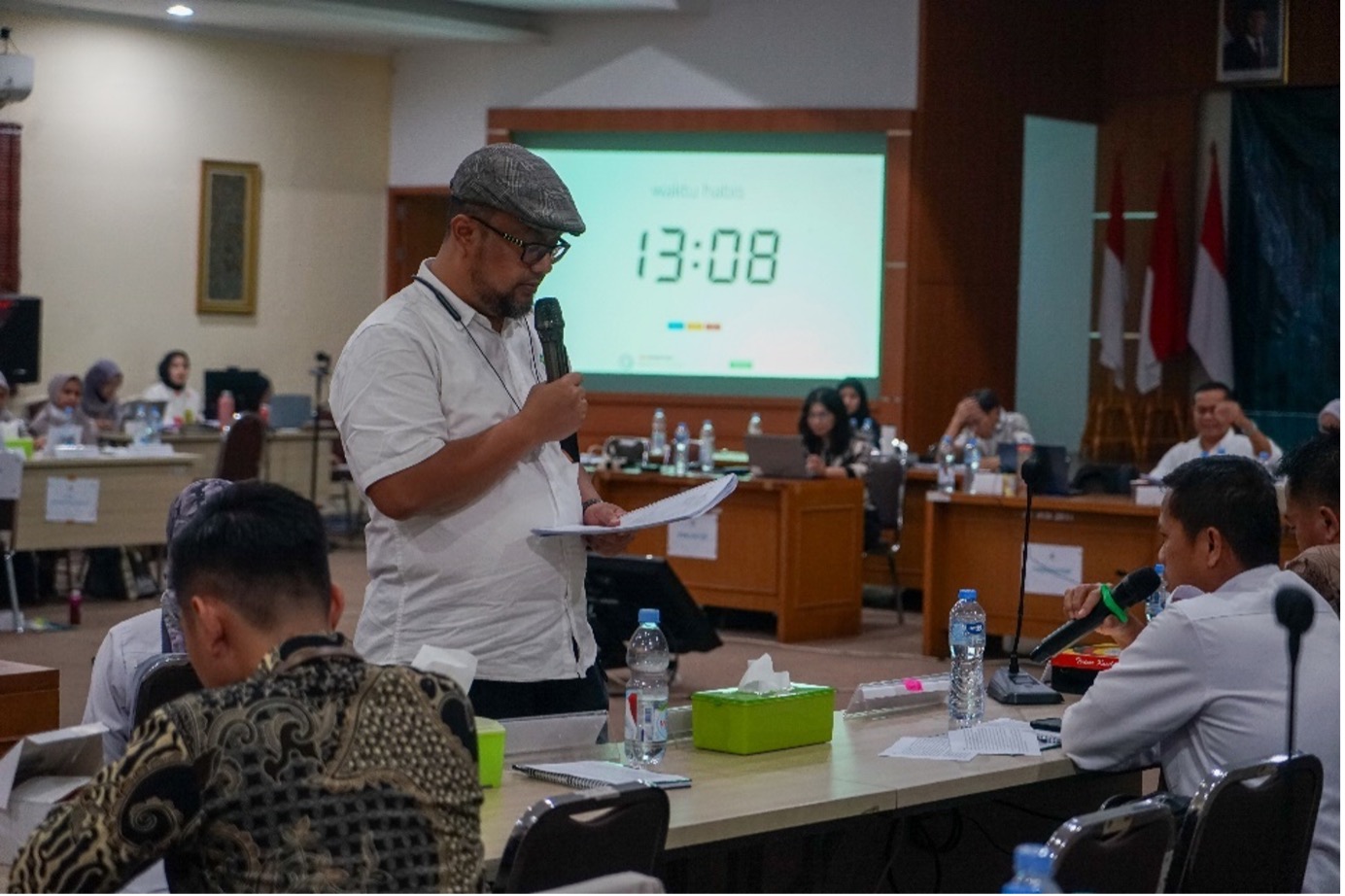
In December 2024, Indonesia published its national Preparedness and Resilience for Emerging Threats (PRET) guideline for respiratory pathogens. This expanded preparedness beyond influenza and aligned national planning with WHO’s Health Emergency Preparedness, Response and Resilience framework.
Soon thereafter, Indonesia conducted a PRET table-top exercise in September 2025. Sixty-five participants from 44 institutions tested coordination across emergency management, collaborative surveillance, clinical care and access to medical countermeasures under a simulated avian influenza scenario. The exercise clarified command pathways and aligned operational procedures, reinforcing whole-of-government and One Health readiness.
Sustaining global solidarity
Through sustained surveillance strengthening, governance reform, operational testing and global virus sharing, Indonesia has moved from reactive response toward structured and exercised pandemic readiness. In a country where geographic complexity and zoonotic risk intersect, these gains protect communities nationally while strengthening collective global health security.
Photo caption: A Ministry of Health official facilitates a discussion during the national PRET table-top exercise in Jakarta, Indonesia, 2025.
Credit: WHO/Fieni Arprilia